A Canal Company plays a vital role in the development, management, and maintenance of canals that support transportation, irrigation, water supply, and industrial activities. Throughout history, canal systems have been essential for connecting regions, enabling trade, and supporting agriculture. A Canal Company is typically responsible for ensuring that these waterways remain functional, efficient, and safe for long-term use 通渠佬. In modern times, their responsibilities have expanded beyond navigation to include environmental management, tourism development, and sustainable water resource planning.
The concept of a Canal Company dates back to the early days of industrial expansion when waterways were one of the most efficient means of transporting goods. Before the rise of railways and highways, canals were the backbone of commerce in many countries. Companies managing these canals were tasked with digging, maintaining, and regulating water flow to ensure smooth transportation of goods such as coal, grains, textiles, and raw materials. Even today, many historical canal systems are still in use, maintained by specialized organizations that continue the legacy of early canal enterprises.
One of the primary functions of a Canal Company is the maintenance of canal infrastructure. This includes dredging sediments, repairing embankments, maintaining locks, and ensuring that water levels remain stable. Without regular maintenance, canals can become blocked, unsafe, or unusable. A well-maintained canal system ensures uninterrupted movement of boats and barges, which is crucial for industries that rely on water transport. Maintenance work also helps prevent flooding in surrounding areas by controlling water flow effectively.
In addition to maintenance, a Canal Company often plays a key role in water management and irrigation systems. In agricultural regions, canals are essential for supplying water to crops, especially in areas where rainfall is limited or inconsistent. Canal companies regulate the distribution of water to ensure that farmland receives adequate irrigation while avoiding wastage. This contributes significantly to food production and rural economic stability. Farmers depend on reliable canal systems to sustain their livelihoods, making these companies essential partners in agricultural development.
Another important aspect of a Canal Company is its involvement in transportation and logistics. Even in the age of modern infrastructure, canal transport remains an efficient and environmentally friendly option for moving heavy goods. Barges and cargo vessels traveling through canals consume less fuel compared to trucks and trains, making them a sustainable choice for bulk transportation. Canal companies coordinate traffic, manage schedules, and ensure that navigation systems like locks and bridges operate smoothly to avoid delays and congestion.
Environmental responsibility has become a major focus for modern Canal Companies. Canals are not just industrial assets; they are also part of natural ecosystems that support wildlife and biodiversity. Companies must balance economic use with environmental protection by monitoring water quality, preserving habitats, and preventing pollution. Many canal systems now serve as protected ecological corridors where aquatic plants, fish, and birds thrive. Sustainable management practices ensure that canals remain environmentally healthy while still serving human needs.
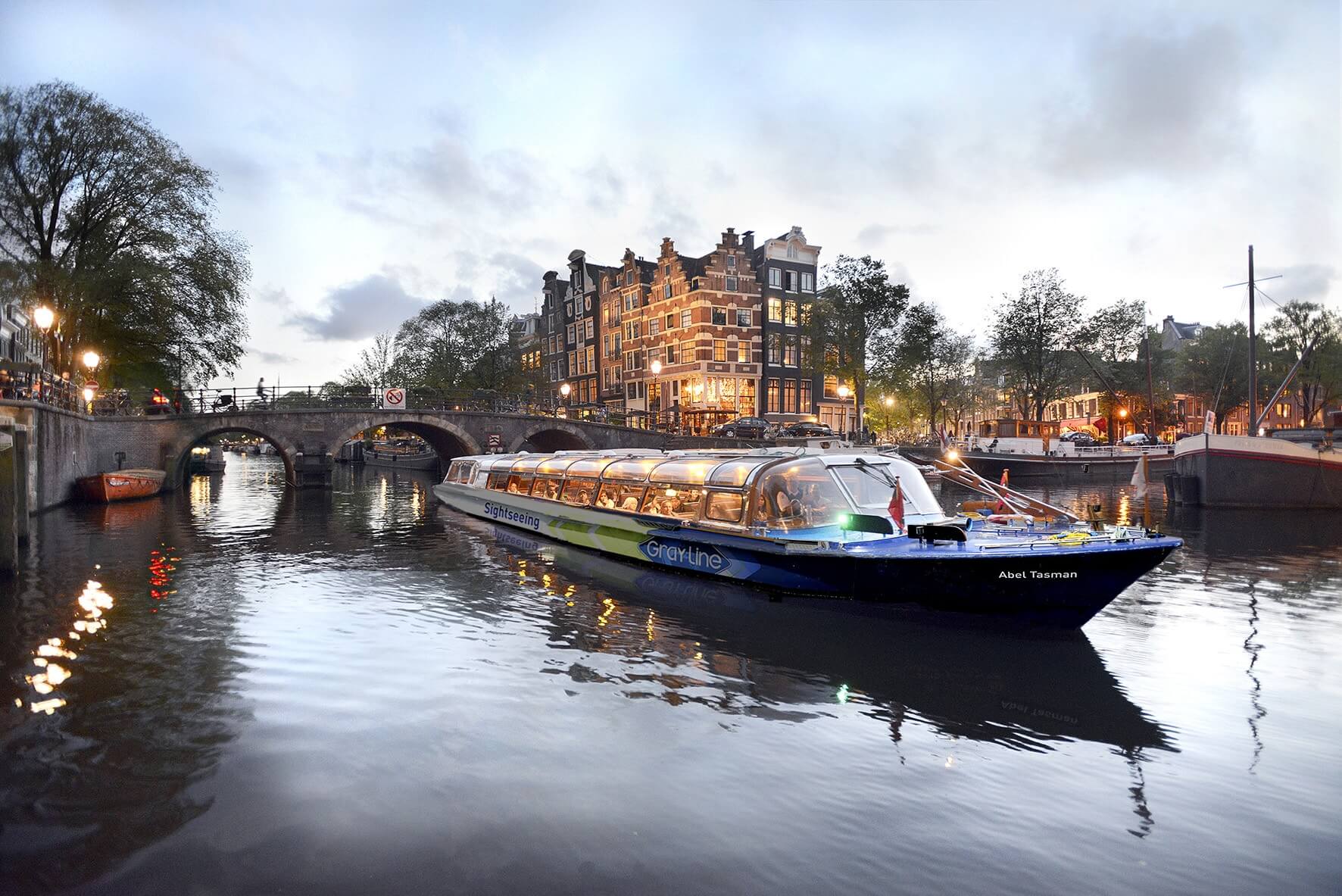
Tourism and recreation have also become important sectors for Canal Companies. In many regions, historic canals have been transformed into scenic destinations for boating, cycling, and walking. Canal-side paths attract tourists who enjoy the peaceful environment and cultural heritage associated with these waterways. Canal Companies often develop visitor facilities, maintain towpaths, and support local businesses such as cafes, boat rentals, and hotels. This diversification helps generate additional revenue while preserving the cultural value of canals.
Technological advancements have significantly improved the operations of Canal Companies. Modern monitoring systems allow real-time tracking of water levels, vessel movement, and structural conditions. Automated lock systems and digital navigation tools have made canal transport more efficient and safer. Data analytics helps companies predict maintenance needs, manage water resources, and respond quickly to emergencies. These innovations have transformed traditional canal management into a more advanced and data-driven industry.
A Canal Company also plays a role in flood control and disaster management. Canals can be used to redirect excess water during heavy rainfall, reducing the risk of flooding in urban and rural areas. Properly managed canal systems act as drainage networks that protect communities and infrastructure. In some regions, canal companies collaborate with government agencies to develop flood prevention strategies and emergency response plans. This makes them an important part of public safety infrastructure.
The economic impact of a Canal Company extends beyond transportation and agriculture. Canals often stimulate regional development by attracting industries, improving trade routes, and increasing property values along waterways. Industrial zones located near canals benefit from reduced transportation costs and improved logistics. Additionally, canal projects create employment opportunities in construction, engineering, maintenance, and tourism sectors, contributing to overall economic growth.
Challenges faced by Canal Companies include aging infrastructure, climate change, and increasing demand for water resources. Many canal systems were built decades or even centuries ago and require significant upgrades to meet modern standards. Climate change has also affected water availability, leading to fluctuations in canal levels and increased maintenance requirements. Canal Companies must continuously adapt by investing in modernization, sustainable practices, and innovative water management solutions.
Collaboration with governments and local communities is essential for the success of any Canal Company. Public-private partnerships often support large-scale canal projects, ensuring adequate funding and technical expertise. Community involvement is also important, especially in areas where canals are part of daily life. Awareness programs and educational initiatives help people understand the importance of preserving and protecting canal systems for future generations.
In conclusion, a Canal Company is far more than an organization managing waterways. It is a key contributor to transportation, agriculture, environmental sustainability, tourism, and economic development. By maintaining and modernizing canal systems, these companies ensure that waterways continue to serve society efficiently and responsibly. As global demand for sustainable infrastructure grows, the role of Canal Companies will become even more significant in shaping the future of water resource management and regional development.