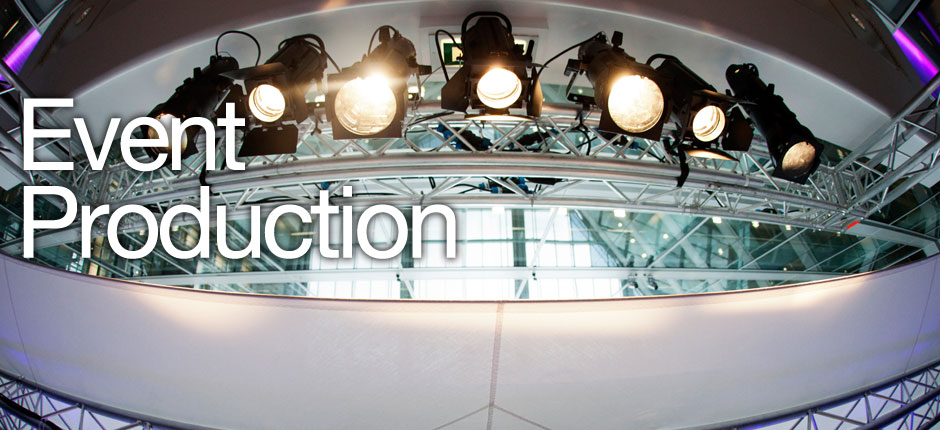
Event production has become an essential aspect of contemporary gatherings, ranging from corporate conferences to music festivals and private celebrations. It is far more than simply arranging a venue or managing logistics; event production is the intricate process of designing, coordinating, and executing an experience that leaves a lasting impression on attendees. With the rise of digital technology, experiential marketing, and a highly competitive entertainment industry, professional event production has evolved into a sophisticated discipline that blends creativity, technical expertise, and strategic planning.
At its core, event production begins with a vision event 製作. Whether the objective is to educate, entertain, or inspire, producers work closely with clients to understand the purpose, target audience, and desired outcomes. This vision forms the foundation of every decision made, from venue selection to lighting, sound, and interactive elements. Successful event production requires anticipating every detail, creating a seamless experience where attendees feel engaged and valued.
One of the most critical aspects of event production is technical execution. High-quality audio, visual displays, lighting, and staging are essential components that can make or break an event. Modern audiences expect a level of sophistication that requires skilled technicians, advanced equipment, and meticulous planning. For instance, synchronized lighting and video projections can transform a simple conference hall into a captivating environment that reinforces the event’s theme and message. Similarly, professional sound engineering ensures that presentations, performances, or speeches are delivered with clarity, enhancing the overall attendee experience.
Creative direction is equally important in event production. Designers, producers, and creative teams work together to craft an aesthetic that aligns with the event’s objectives. This includes stage design, thematic decorations, branding elements, and interactive installations that encourage audience participation. Immersive experiences, such as virtual reality zones or interactive workshops, are increasingly popular in modern events, blurring the line between passive observation and active engagement. The creative component is what differentiates a memorable event from a routine gathering.
Logistics and operational management form the backbone of event production. Coordinating schedules, managing vendors, handling permits, and ensuring compliance with safety regulations are all part of the producer’s responsibilities. Effective event production requires a detailed project plan, risk assessment, and contingency strategies to address unexpected challenges. This level of organization ensures that events run smoothly, even when faced with variables like weather changes, technical failures, or last-minute adjustments.
Budget management is another vital consideration in event production. Producers must balance cost constraints with creative ambition, making strategic decisions that maximize value without compromising quality. This often involves negotiating with vendors, optimizing resources, and prioritizing key elements that will have the greatest impact on attendees. Transparent communication with clients about budget limitations and trade-offs is essential for achieving successful outcomes while maintaining trust and satisfaction.
Audience engagement has become a defining factor in modern event production. In an era where attention spans are limited and competition for experiences is high, producers focus on creating interactive elements that foster participation and connection. This can include live polls, social media integration, gamification, networking opportunities, and hands-on workshops. Events that encourage attendees to actively participate are more likely to leave lasting impressions, strengthen brand loyalty, and generate positive word-of-mouth.
Sustainability is increasingly influencing how events are produced. Eco-conscious event production considers the environmental impact of materials, energy usage, transportation, and waste management. Incorporating sustainable practices, such as digital ticketing, recyclable décor, and energy-efficient lighting, reflects a commitment to responsible event management. Sustainability also resonates with audiences who value socially responsible initiatives, enhancing the event’s reputation and aligning with broader corporate or societal goals.
Technology integration continues to revolutionize event production. From virtual and hybrid events to AI-driven analytics, technology enables producers to expand reach, measure engagement, and optimize experiences. Hybrid events, which combine in-person and online participation, allow organizers to engage a global audience, while event management software simplifies registration, scheduling, and communication. Data insights collected during events help producers understand attendee behavior, refine future strategies, and deliver increasingly personalized experiences.
Collaboration is central to successful event production. Producers often work with a diverse range of professionals, including marketers, designers, performers, audiovisual technicians, and venue managers. Effective communication and teamwork ensure that all elements of the event are aligned, and that the final execution reflects the initial vision. Strong leadership within the production team also fosters innovation, problem-solving, and adaptability, which are crucial in an industry that often faces tight deadlines and high expectations.
The impact of well-executed event production extends beyond the event itself. A professionally produced event can strengthen brand identity, build community, foster partnerships, and create memorable experiences that resonate long after the final moment. Whether for a product launch, an annual conference, or a large-scale festival, the quality of production directly influences perception, engagement, and long-term success. Attendees remember not just the content, but the atmosphere, flow, and emotional connection facilitated by thoughtful production.
In conclusion, event production is a multidimensional discipline that merges artistry, technology, logistics, and strategy to craft experiences that engage, inspire, and leave lasting impressions. The role of an event producer goes beyond coordination; it involves anticipating needs, solving complex challenges, and creating seamless, immersive environments. As the industry continues to evolve, incorporating innovative technology, sustainable practices, and audience-focused strategies, event production will remain an essential element in shaping unforgettable experiences that resonate with people personally and professionally.